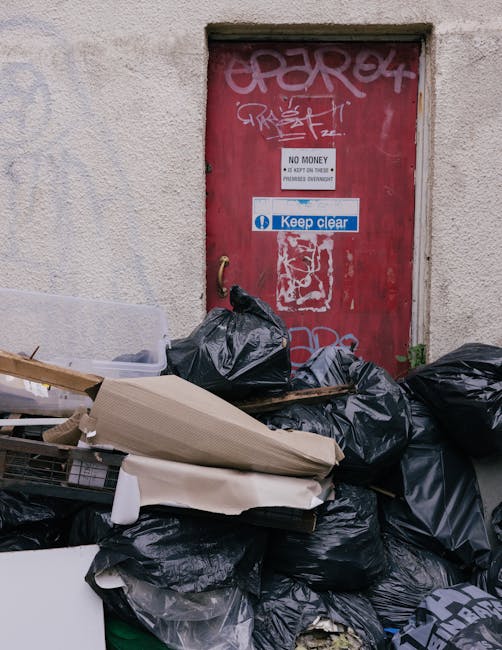
Rubbish removal costs explained: average UK prices and fees
If you have a pile of unwanted clutter, building waste, garden debris, or old office bits staring at you from the corner of a room, the first question is usually the same: how much is this going to cost? And fair enough. Rubbish removal prices can feel unclear because fees often depend on volume, waste type, labour, access, and where you live in the UK.
This guide breaks down rubbish removal costs explained: average UK prices and fees in plain English. You will learn what affects the price, how companies usually charge, what counts as fair value, and where hidden extras can creep in. We will also cover practical ways to compare quotes, avoid unpleasant surprises, and decide whether a skip, man and van clearance, or council service is the better fit. If you want to explore pricing in more detail as you read, you can also visit the site's pricing and quotes page for a useful starting point.
One thing to keep in mind: prices in this space are not fixed like a bus fare. A sofa in a narrow terraced house on a wet Tuesday morning is a very different job from a ground-floor garage clearance with easy parking. That's why the real trick is understanding the variables.
Table of Contents
- Why rubbish removal costs matter
- How rubbish removal pricing works
- Key benefits and practical advantages
- Who this is for and when it makes sense
- Step-by-step guidance
- Expert tips for better results
- Common mistakes to avoid
- Tools, resources and recommendations
- Law, compliance, standards, or best practice
- Options, methods, or comparison table
- Case study or real-world example
- Practical checklist
- Conclusion
- Frequently asked questions
Why rubbish removal costs matter
Understanding rubbish removal costs matters because waste collection is one of those services where the final bill can vary more than people expect. If you do not know what drives the price, you can easily overpay for a small job or, just as frustratingly, choose the cheapest option and end up with extra charges later. Nobody wants that. Not when the skip is already outside and the rain is starting again.
For households, landlords, tradespeople, and business owners, rubbish removal is often a one-off or occasional job, so there is less familiarity with the market than with regular services like broadband or utilities. That makes pricing more confusing. A quote might include labour, loading time, disposal fees, fuel, congestion or parking considerations, and VAT. Or it might not. The difference can be substantial.
There is also a sustainability angle. Some waste is reusable or recyclable, some needs specialist handling, and some must be disposed of carefully. A well-run clearance service should be able to explain what happens to the waste, how much is diverted from landfill where possible, and what is being charged for each part of the job. For readers who care about this side of the process, the company's recycling and sustainability information is worth a look.
Quick takeaway: price is not just about "taking things away". It is about collection, labour, sorting, transport, disposal, and the difficulty of the job. Once you understand that, quotes make a lot more sense.
How rubbish removal pricing works
In the UK, rubbish removal is usually priced in one of three ways: by volume, by load size, or by a fixed quote for a specific job. Some services blend all three. That is where the confusion starts, because two jobs that look similar on the surface can be priced differently depending on access and waste type.
Here is the simplest way to think about it.
- Volume-based pricing: You pay according to how much space your waste takes up in the vehicle. This is common for man and van clearance services.
- Load-based pricing: The job is priced by load size, such as a quarter load, half load, or full load.
- Fixed-price quotes: A company inspects the job and gives a set price based on what is being removed, where it is, and how long it will take.
To put it plainly, a pile of lightweight cardboard boxes may look larger than a few heavy bags of rubble, but the heavy waste is often more expensive because it is tougher to move and costlier to dispose of. Rubbish removal is not always about what you can see. It is about weight, handling, and disposal category too.
The quote can also be affected by:
- stairs, narrow hallways, or difficult access
- parking distance from the property
- same-day or short-notice booking
- special waste such as mattresses, fridges, paint, or electrical items
- mixed loads that require sorting
- location, especially in busy urban areas
If you are arranging a job for a workplace or commercial site, the provider's health and safety policy and insurance and safety information can give you a better sense of how carefully they handle access, lifting, and risk.
In everyday terms, a straightforward garage clearance on the ground floor is cheaper than a three-storey flat with no lift. That is perfectly normal. The quote should reflect the labour involved, not just the amount of rubbish.
Typical UK pricing ranges, in broad terms
Exact average UK prices vary by region and provider, so it is safer to think in ranges than in a single "average". As a general guide, smaller domestic clearances are often priced from the low hundreds, while larger or more complex jobs can climb well beyond that. Factors such as waste type, access, and turnaround time matter a lot.
For a simple example, removing a few bulky household items may cost much less than clearing a house after renovation work. And yes, the same applies to offices. A few desks and chairs are one thing; removing filing cabinets, IT equipment, and mixed commercial waste is another kettle of fish entirely.
Key benefits and practical advantages
Paying for rubbish removal is not only about convenience. Done well, it can save time, reduce stress, and make a messy situation manageable. If you have ever spent an entire Saturday trying to fit odd bits into a car boot, you will know the appeal.
- Speed: Many clearances can be completed quickly, sometimes the same day or next day.
- Less physical strain: You do not have to lift heavy or awkward items yourself.
- No skip permit hassle: In some situations, a clearance service avoids the need for a skip permit on a public road.
- Cleaner finish: Reputable teams sweep up after loading, which sounds minor until you are left with dust and broken plaster bits everywhere.
- Better sorting: Reusable and recyclable materials can be separated more effectively than when everything is thrown together at home.
There is another benefit people sometimes overlook: certainty. A clear quote lets you budget properly. That matters for landlords planning between tenancies, families clearing a relative's home, and small businesses trying to avoid downtime. No one likes a budget that drifts.
If you are deciding between paying for a clearance or doing it yourself, think about time as well as cash. A cheap van hire can still become expensive once fuel, tip fees, loading time, parking, and your own weekend are added up. To be fair, the "cheap" option is not always cheap.
Who this is for and when it makes sense
Rubbish removal services are useful for more people than you might think. It is not just for people doing a huge house clear-out. The service can be the right choice when the job is awkward, time-sensitive, or bigger than a normal bin collection can handle.
- Homeowners: For bulky furniture, loft clearances, garage clutter, and end-of-renovation waste.
- Tenants: Particularly when moving out and needing to leave the property tidy.
- Landlords and letting agents: Useful after a tenancy ends or when a property needs refreshing between occupants.
- Tradespeople: Handy for builders' waste, packaging, scrap material, and site tidying.
- Office managers: Good for old desks, filing, chairs, and general workspace decluttering.
It makes sense when the waste is too much for your car, too awkward for the council collection service, or simply too time-consuming to handle alone. It also makes sense if the waste includes items that need special disposal arrangements. You do not want to guess with that sort of thing.
For office or mixed-use premises, a provider with transparent business procedures is usually easier to work with. The site's payment and security information can also help if you are arranging clearance through a company account and want to understand how transactions are handled.
Step-by-step guidance
Here is a practical way to approach rubbish removal so you get a fair price and avoid last-minute headaches.
- List what needs removing. Be specific. "Old office stuff" is not enough. Include desks, chairs, monitors, bags, carpets, rubble, and anything bulky.
- Separate the waste types. Mixed loads often cost more. Furniture, garden waste, general rubbish, and construction waste may be priced differently.
- Take a few photos. Clear images of the items, the access route, and any stairs or parking restrictions can improve quote accuracy.
- Ask what the quote includes. Check whether labour, loading, disposal, and VAT are included. Small detail, big difference.
- Check timing. Same-day work or weekend slots may be priced differently.
- Confirm disposal details. Ask whether items are recycled, reused, or sent to landfill, and how specialist items are handled.
- Book with clear access instructions. If the team cannot park close by, say so upfront.
A good quote conversation should feel tidy and straightforward, not rushed. If you feel pushed to book before the details are clear, pause. A proper provider will usually welcome questions.
As a small real-world example, imagine two identical-looking piles of waste: one is in a driveway with a side gate, the other is up two flights of narrow stairs in a city flat. The second one usually needs more time and labour, so the cost should be higher. That is not price inflation. It is reality.
Expert tips for better results
If you want to control costs without cutting corners, a few practical habits make a noticeable difference. These are the sort of things that save money quietly, which is the best kind of saving, really.
- Reduce the volume before booking. Break down cardboard, flatten packaging, and separate reusable items first.
- Keep heavy and light waste separate. This helps the provider price the job more accurately.
- Be honest about hidden waste. A small pile can conceal more debris than it looks like on the surface.
- Share access details early. Stairs, parking, and long carrying distances affect labour time.
- Ask about minimum charges. Small jobs sometimes carry a base fee, so it helps to know that from the start.
- Compare like with like. One quote may look cheaper until you notice it excludes disposal or collection fees.
One smart move is to ask whether the provider can give an itemised quote or at least explain the main charge components. Even a brief breakdown helps you understand why one service is higher than another. You do not need a spreadsheet for everything, but a bit of clarity goes a long way.
If you are arranging a larger clearance or want to benchmark a job properly, it is worth reviewing a provider's pricing approach alongside their trust and safety pages. That usually tells you more than a flashy homepage ever will.
Common mistakes to avoid
The biggest pricing mistakes are rarely dramatic. They are usually small, avoidable assumptions. That is the annoying part.
- Not checking what is included: A low headline price may exclude labour, VAT, or disposal.
- Underestimating the volume: A couple of extra bags can change the load size.
- Ignoring access issues: Long carry distances and difficult parking cost time.
- Mixing all waste together: Some items cost more to process than others.
- Assuming every provider recycles the same way: Disposal standards can differ quite a lot.
- Leaving it too late: Urgent jobs can be more expensive, especially at busy times of day.
There is also the classic mistake of comparing a licensed clearance service with an unlicensed "man with a van" who offers a suspiciously low price. If the quote looks too good to be true, it may be missing the very things that make the service legitimate and safe. Bits and pieces matter here.
And yes, one more practical warning: if the waste includes electrical equipment, paint, chemicals, or anything sharp, do not just lump it in and hope for the best. That is how costs rise later and, worse, how safety problems appear.
Tools, resources and recommendations
You do not need specialist software to plan a rubbish removal job, but a few simple tools can help you make a better decision.
- Phone camera: Use photos to document the volume and access route.
- Measuring tape: Handy for bulky furniture or estimating the size of a load.
- Notebook or checklist: Good for separating items into categories.
- Calendar: Helps you compare weekday, weekend, and urgent booking options.
- Quote comparison: Ask for a written estimate so you can compare properly later.
For a smoother experience, it helps to choose a provider that is clear about customer support, payment, and service expectations. The company's complaints procedure can be a useful indicator of how seriously it takes service issues, while the accessibility statement is reassuring if you are booking on behalf of someone who may need a more accessible process.
It is also sensible to check whether the company explains how it handles secure payments. That is boring until something goes wrong, and then it becomes very interesting very quickly. The payment and security page is worth reviewing before you hand over card details or approve an invoice.
Law, compliance, standards, or best practice
Waste removal in the UK should be handled carefully and responsibly. While this article is not legal advice, a few best-practice points are worth knowing.
First, use a service that is appropriate for the type of waste you have. Different materials may need different handling. General household rubbish is not the same as rubble, electrical items, or hazardous waste. If a quote seems vague about disposal, ask for clarification.
Second, check that the provider follows sensible health and safety practices. Heavy lifting, sharp edges, broken materials, and tight spaces all introduce risk. A proper team should be able to explain how it manages those risks. That is why references to a health and safety policy and insurance and safety measures are relevant, not just box-ticking.
Third, responsible disposal matters. Reuse, recycling, and proper sorting are generally preferable to simply sending everything away in one mixed load. You do not need to know every detail of the waste stream, but you should expect honest answers about what happens next.
Finally, if you are dealing with staff, contractors, or business premises, make sure the clearance plan fits your own site rules and risk controls. It sounds obvious, but rushed clearances are where small problems multiply.
For readers who care about broader ethical practice, the site's modern slavery statement also reflects the kind of supplier transparency many businesses now want to see. Not glamorous, perhaps, but important.
Options, methods, or comparison table
Different rubbish removal options suit different budgets and timeframes. The right choice depends on how much waste you have, how quickly it needs moving, and how much lifting you want to do yourself.
| Option | Best for | Typical pricing style | Pros | Watch out for |
|---|---|---|---|---|
| Man and van clearance | Household clutter, furniture, mixed waste | By volume or load size | Flexible, quick, labour included | Minimum charges, access-related extras |
| Skip hire | DIY waste, ongoing projects, larger volumes | Fixed hire period and size | Good for ongoing loading at your pace | Permit costs, space needed, lifting yourself |
| Council bulky waste service | Limited household items | Set local authority fee | Often straightforward for a small list of items | Collection dates may be limited; not all waste accepted |
| Commercial clearance service | Offices, shops, landlords, site clean-outs | Quoted case by case | Tailored, efficient, often includes labour and sorting | Need clear specification and access details |
As a rule of thumb, if you want convenience and labour included, a clearance service is usually easier. If you want to load waste gradually over a few days, skip hire may suit you better. If you only have a few bulky items and can wait for a scheduled date, council options may be enough.
There is no single "best" method. There is only the right method for your situation. That is the honest answer, even if it is slightly less neat than people like.
Case study or real-world example
Imagine a small London office clearing out after a move to hybrid working. The team has six office chairs, two desks, several boxes of old files, a broken printer, and a stack of packaging from new equipment deliveries. The office is on the second floor, there is limited parking, and the team wants everything gone before Monday morning.
A provider would likely price that job based on a combination of load size, labour, access, and the mix of waste. The printer and any electronic items may need separate handling. The files may also raise confidentiality questions, so the client might need to shred sensitive documents before collection. The final price could be noticeably higher than a simple one-room house clearance, even if the van looks only half full.
What changed the price? Not just the volume. The time on site mattered. The carry distance mattered. The type of waste mattered. The need for a tidy, deadline-driven finish mattered too.
That is why one of the most common pricing frustrations comes from comparing "apples with pears". Two jobs can look similar from the pavement and still be very different once access, sorting, and disposal are factored in. Once you see that, the numbers make more sense.
Practical checklist
Before you book, run through this checklist. It takes a few minutes and can save a lot of back-and-forth.
- Do I know exactly what needs removing?
- Have I separated general waste from bulky, recyclable, or specialist items?
- Have I taken clear photos of the items and access route?
- Have I confirmed stairs, parking, and carrying distance?
- Do I know whether the quote includes labour, loading, and disposal?
- Have I checked for any minimum charge or extra fees?
- Do I understand how payment will work?
- Have I checked the provider's insurance, safety, and complaints information?
- Have I asked what happens to reusable and recyclable waste?
- Is the collection date realistic for my deadline?
Helpful reminder: a slightly more detailed enquiry usually leads to a more accurate quote. That sounds obvious, but it is amazing how often people skip it and then wonder why the price moved.
Conclusion
Rubbish removal costs in the UK are easier to understand once you know what drives them. The price is shaped by volume, waste type, labour, access, disposal needs, and timing. For simple jobs, the cost may be modest. For awkward, urgent, or mixed clearances, it can rise quickly. Neither is unusual.
The best way to get good value is not to chase the cheapest number on the page. It is to compare quotes properly, ask what is included, and make sure the provider understands the job from the start. A clear, honest estimate is worth more than a vague bargain that turns into a headache later.
Whether you are clearing a home, a rental property, an office, or a small business site, the same rule applies: good information makes the price fairer. And a fair price, to be fair, is what most people actually want.
Get a free quote today and see how much you can save.
When the clutter is gone and the space feels lighter, the relief is real. Sometimes that is the whole point.
Frequently Asked Questions
How much does rubbish removal cost in the UK?
It depends on the size of the load, the type of waste, access to the property, and how quickly you need it collected. Small clearances may be relatively affordable, while larger or specialist jobs cost more. The safest approach is to get a written quote based on photos or a site visit.
What is usually included in a rubbish removal quote?
Most quotes should include collection, labour, loading, transport, and disposal, but not every provider structures pricing the same way. Always ask whether VAT, parking, or access-related charges are included. A good quote should be clear enough that you do not need to guess.
Why do rubbish removal prices vary so much?
Because no two jobs are quite the same. Heavy waste, stairs, long carry distances, same-day bookings, and specialist disposal can all push the price up. A pile that looks small can also hide a surprising amount of waste underneath. That happens more often than people think.
Is rubbish removal cheaper than skip hire?
It depends on the job. For small to medium clearances where you want labour included, rubbish removal can be better value. For ongoing DIY projects where you will load waste over time, skip hire may be more suitable. Compare total cost, not just the headline price.
Do I need to separate different types of waste before booking?
It helps a lot. Separating general rubbish, furniture, garden waste, electrical items, and rubble can improve quote accuracy and may reduce fees. Mixed loads can cost more because sorting takes time and some materials require special handling.
Can I leave rubbish outside for collection?
Sometimes yes, but you should only do that if the provider has agreed and the items will not create a safety issue or block access. Leaving waste outside without checking can cause problems with neighbours, weather damage, or missed collection details.
What should I ask before booking a rubbish removal service?
Ask what is included, whether there are minimum charges, how the price changes for access issues, and whether the company is insured. If you are booking on behalf of a business, also check payment terms and safety procedures. A few sensible questions now can prevent frustration later.
Are there extra fees I should watch for?
Yes. Common extras can include difficult access, urgent bookings, specialist waste, parking charges, and VAT if not already included. Some companies also have minimum charges for very small jobs. It is always better to ask directly than assume.
What happens to the rubbish after collection?
That varies by provider and waste type. Reusable items may be diverted for reuse, recyclable materials may be separated, and the remainder may be sent for disposal. If sustainability matters to you, ask how the company handles sorting and recycling before you book.
Is it legal to use any man and van rubbish removal service?
No, not all services are equal. You should use a provider that follows proper waste handling practices and can explain how your rubbish will be transported and disposed of. If a quote seems unusually low and the company is vague about disposal, that is a red flag.
Do office clearances cost more than house clearances?
Not always, but they often involve more planning. Office clearances may include desks, IT equipment, confidential materials, and access considerations such as lifts, security, or loading restrictions. Those details can affect the final price more than the size of the room alone.
How can I get the most accurate rubbish removal quote?
Send clear photos, list the items precisely, mention stairs or parking restrictions, and be honest about anything heavy, sharp, or specialist. The more accurate your information, the closer the quote will be to the final cost. Simple as that, really.