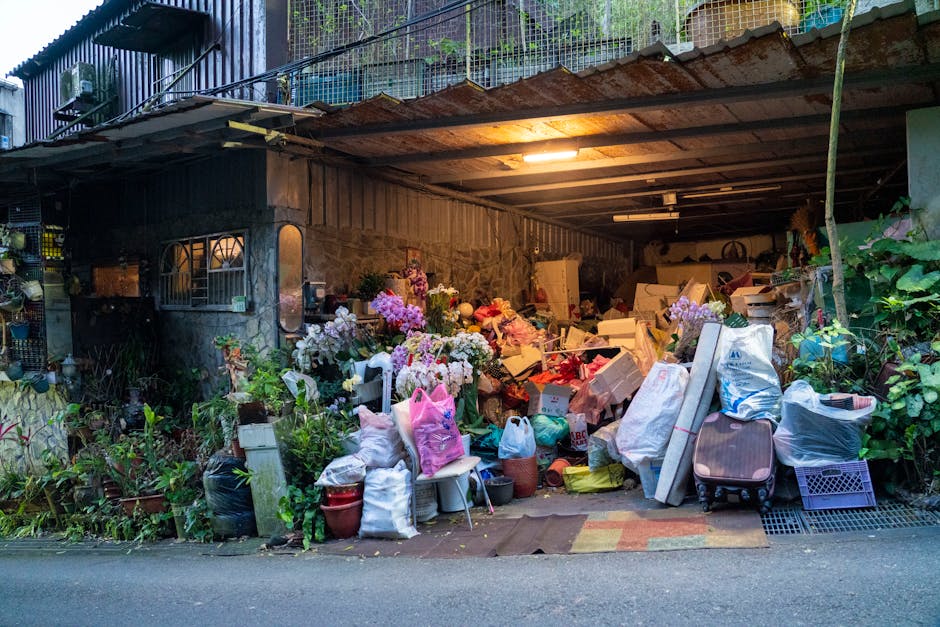
Practical checklist for clearing a cluttered garage in a weekend

Garages have a habit of quietly filling up. One old bike becomes three, a box of cables turns into a mystery archive, and before long you can barely open the door without shuffling sideways. If you need a practical checklist for clearing a cluttered garage in a weekend, the good news is that it can be done. Not perfectly. Not magically. But properly, with a plan that keeps you moving and stops the chaos from coming straight back.
This guide is designed for real life: limited time, mixed clutter, a few awkward items, and that familiar moment where you stand in the doorway thinking, where on earth do I even start? We'll walk through a weekend-friendly method that helps you sort faster, throw out what you no longer need, and make the garage useful again without turning the whole thing into a month-long project.
To be fair, the win is not just a tidy floor. It is easier parking, safer storage, fewer trip hazards, and a space that finally works for you instead of against you. Let's get into it.
Why Practical checklist for clearing a cluttered garage in a weekend Matters
A cluttered garage is more than an inconvenience. It can become a storage dead zone, a safety issue, and a source of low-level stress every time you walk past it. You know the feeling: the mower is buried behind boxes, the drill battery is somewhere under a pile of Christmas decorations, and there is no clear route to the fuse box. That is not just messy. It is dysfunctional.
A weekend plan matters because it gives you a realistic time box. Without one, garage decluttering tends to drift. You start with good intentions, get distracted by old paperwork or sentimental items, and then the job stretches on for weeks. A clear checklist keeps you honest. It turns a vague "I should tidy the garage" into a sequence of decisions you can actually finish.
It also helps with sorting. Most garages contain a strange mix of household overflow, tools, sports gear, broken items, seasonal decoration, and things you are keeping "just in case." The issue is not only volume. It is category confusion. Once you separate what stays, what goes, and what needs specialist disposal, the room starts making sense again.
And there is a practical side people often miss: a cleared garage can save you money and hassle later. You buy fewer duplicates, you waste less time looking for things, and if you ever need to sell or rent the property, a tidy garage quietly strengthens the overall impression. Nothing dramatic. Just useful.
How Practical checklist for clearing a cluttered garage in a weekend Works
The basic method is simple: empty, sort, dispose, clean, then reorganise. Simple does not mean easy, of course. The trick is to avoid making too many decisions at once. A good weekend clearance works because each stage has one job.
Start by creating broad zones. You do not need a perfect organisational system on Saturday morning. You need four clear outcomes: keep, donate or sell, recycle, and bin. If you have hazardous or awkward items, add a fifth category for specialist disposal. This alone removes a lot of mental friction.
Then work from the front of the garage backwards or from one wall to the other. Pick a direction and stick to it. It sounds almost too basic, but it stops the "we'll just move this pile for now" problem. And that is where a tidy-up becomes a shuffle of clutter instead of real progress.
The best weekend cleanouts are also decision-led, not nostalgia-led. A broken strimmer is not a future project just because you once hoped it might be. If something is missing parts, rusted beyond repair, or has not been used in years, it needs a deliberate choice. Waiting for inspiration is not a system. It is procrastination with better lighting.
If the garage contains a high volume of bulky waste, furniture, old appliances, or mixed rubbish, it may be more efficient to combine your weekend plan with a professional garage clearance or a broader waste removal service. That can be especially useful when access is awkward or the pile is larger than you first thought.
Key Benefits and Practical Advantages
The obvious benefit is space. But the really useful gains are often the ones you notice a week later.
- Faster access: You can reach tools, bikes, and seasonal items without moving three boxes first.
- Safer movement: Fewer trip hazards, less chance of knocking over unstable stacks, and clearer access to doors and switches.
- Better storage decisions: Once you can see what you own, you stop buying duplicates.
- Easier cleaning: An uncluttered floor is much simpler to sweep, wash, and keep dry.
- More usable square footage: The garage becomes storage, workshop space, parking space, or all three in a sensible arrangement.
- Lower stress: You stop avoiding the room. That sounds small, but it matters.
There is also a subtle benefit: momentum. Clearing a garage in a weekend gives you a visible win. That matters because people often underestimate how much motivation comes from seeing a finished area. A half-cleared room feels like failure. A done room feels encouraging. Big difference.
If you are planning a wider reset of the property, the same approach can be used across a loft, spare room, shed, or hallway overflow. A garage is often the toughest place to start, but once you crack that, the rest of the house tends to feel more manageable. Strange but true.
Who This Is For and When It Makes Sense
This weekend checklist is ideal if your garage has become the home for "everything else." It suits homeowners, landlords preparing for new tenants, families with growing storage needs, and anyone who wants a functional space without waiting for a full renovation or major clearance project.
It makes particular sense when:
- you need the garage usable by Monday, not next month
- the clutter is mostly household items rather than structural damage
- you can commit two solid days, even if they are not uninterrupted
- you are able to make quick decisions about keep, remove, or recycle
- you have enough transport or collection support for unwanted items
It may be less suitable if the garage contains a very large volume of builders' rubble, unsafe chemicals, deep damp issues, or heavy items that cannot be moved safely by one or two people. In those cases, a more cautious approach is better, and sometimes a specialist service is the sensible call. If the clutter is part of a bigger house-wide build-up, it can help to look at a fuller home clearance or house clearance option rather than treating the garage in isolation.
Truth be told, garages are often less about "messiness" and more about accumulated life admin. Pushchairs, paint tins, broken shelves, bike pumps, camping gear, old toys, work bits. The garage becomes the family waiting room for things nobody quite knows what to do with.
Step-by-Step Guidance
Here is the weekend method. Keep it tight. Keep it moving. And do not overthink the label maker on day one.
1. Set a realistic finish line
Decide what "done" means before you begin. For most people, done does not mean showroom perfect. It means the garage is sorted, rubbish removed, floor accessible, and the items you keep are grouped sensibly. If you aim for perfection, you will probably run out of steam halfway through Sunday.
2. Gather supplies before lifting a single box
You need bags, boxes, gloves, marker pens, cleaning cloths, tape, and somewhere for different waste streams. Having to stop every 15 minutes because you cannot find a bin bag is one of those tiny things that destroys momentum.
3. Pull everything out if you can
If weather and space allow, move items onto the driveway or garden in sections. Seeing the whole inventory is clarifying. It is also mildly alarming sometimes. You may discover three identical extension leads and a box of tiles from a kitchen refit you forgot happened. Happens more often than you would think.
4. Sort fast, not emotionally
Use simple rules. Keep what you actively use, what has a clear future purpose, and what is genuinely hard to replace. Donate or sell items that are usable but no longer needed. Recycle what can be broken down cleanly. Bin damaged, contaminated, or unusable stuff. If you hesitate for more than 20-30 seconds on an ordinary item, that is often a sign it can probably leave.
5. Deal with hazardous and awkward items separately
Paint, old chemicals, batteries, gas canisters, sharp metal, and electrical items should not be thrown into a general black sack and forgotten. Put them aside and check local disposal routes or specialist collection options. Safety comes first, even in a weekend project.
6. Remove waste from the site as you go
Do not let the "to go" pile grow so large that it becomes another obstacle. If you can arrange a collection, book it early. If you are making multiple trips to a recycling centre, stack the vehicle load in advance so the most awkward items are ready to leave first. It saves time and, frankly, your patience.
7. Clean the empty space properly
Sweep out dust, cobwebs, grit, and debris. Wipe shelves. Check corners for damp, leaks, pests, or signs of mould. If the garage floor is concrete, a damp cloth or light wash may help, but avoid saturating it. The point is to start fresh, not create a puddle.
8. Rebuild the garage with purpose
Put back only what earns its place. Store frequently used items at eye level or near the door. Seasonal items can go higher up. Heavy items belong low down. Keep a clear route through the centre if possible, especially if you park in the garage or need regular access.
9. Label the zones
Simple labels are enough. "Tools," "Garden," "Seasonal," "Sports," "Electrical," "Paint." No need for a military operation. Labels reduce future clutter because people are more likely to return items where they belong when the system is obvious.
10. Finish with a reset rule
Decide what will stop the garage slipping back. Maybe it is a monthly 15-minute tidy. Maybe it is a rule that nothing gets dumped on the floor without a category. A weekend clearance lasts longer when the reset rule is simple enough to follow when you are tired.
Expert Tips for Better Results
A few small choices make a big difference. Not glamorous, but effective. That's the real story here.
Use a timer for decisions. Give yourself a time limit on borderline items. If you have not used it, repaired it, or needed it in the last year, the burden of proof is on the item, not on you.
Work in daylight if possible. Natural light is better for spotting damage, stains, and duplicate items. Early morning on a Saturday can feel ruthless, but it is honest. You see what is actually there.
Keep a "maybe later" box, but only one. A single holding box is fine if you truly need time to decide about a few sentimental or high-value items. But only one. Otherwise the garage becomes a museum of indecision.
Use vertical space. Shelves, hooks, and stackable containers help keep the floor open. If you are storing garden tools or sports equipment, getting things off the ground is usually the biggest win.
Match storage to use frequency. Daily or weekly items need easy access. Rarely used items can go up high or further back. That way the garage works with your routine instead of fighting it.
Don't clean around clutter. It sounds efficient. It rarely is. Move items out, clean properly, then put back only what earns a place.
If the garage is part of a larger clearance and you are comparing options, a specialist furniture clearance or even loft clearance can sometimes be bundled with the job. That can be more efficient than handling each room as a separate project, especially if bulky furniture is eating up the space.
Common Mistakes to Avoid
Most garage clear-outs go wrong in predictable ways. The good news? They are avoidable.
- Starting without a plan: If you begin by moving random boxes around, you will create a worse mess before you create order.
- Trying to organise before sorting: Do not buy storage tubs until you know what is staying. Otherwise you are just putting clutter in prettier containers.
- Keeping duplicates out of guilt: Two drills, three spanners, four half-used paint tins. Be honest about what you actually need.
- Underestimating disposal time: Removing the clutter often takes longer than sorting it. Plan for that.
- Ignoring safety: Sharp edges, heavy items, dust, and old chemicals deserve respect. Gloves are not overkill.
- Saving broken things "just in case": Some things are repairs. Others are future rubbish with better manners.
- Not finishing the cleanup: A half-cleared garage with debris on the floor still feels chaotic. Sweep it properly.
A small but common mistake is making the project too sentimental. The old roller skates from school, the cracked garden gnome, the bent sign from a previous flat. Fine, keep one or two meaningful items if you want. But be selective. A garage is not an archive for every memory you have ever owned.
Tools, Resources and Recommendations
You do not need fancy equipment to clear a garage, but a few basics make the work easier and safer.
| Item | Why it helps | Best use |
|---|---|---|
| Heavy-duty bin bags | Good for mixed rubbish and soft waste | General rubbish, broken items, dusty clutter |
| Sturdy cardboard boxes or crates | Useful for sorting and temporary grouping | Keep, donate, sell, recycle categories |
| Work gloves | Protect hands from splinters, rust, and grime | Every stage of the clearance |
| Marker pens and labels | Helps you keep categories clear | Storage and sorting |
| Dustpan, broom, vacuum | Essential for the final clean | Floors, corners, shelves |
| Trolley or sack truck | Reduces strain on heavy items | Bulky boxes, tools, appliances |
| Storage shelving | Creates structure and keeps floors clear | Long-term garage organisation |
If you expect bulky waste, mixed materials, or multiple loads, it can be worth comparing collection and disposal options in advance. A proper quote is often more useful than guessing, especially if you want the job finished in one weekend. If cost and convenience matter, reviewing pricing and quotes alongside a relevant clearance service can help you make a clean decision without overcommitting.
For households trying to reduce waste, a simple recycling-first approach is usually the best place to start. Items that are still usable may be suitable for passing on, while recyclable materials should be separated where practical. The same thinking applies in many clutter jobs: keep less, dispose better, and avoid sending everything to general waste by default. It is a small shift, but it adds up.
Law, Compliance, Standards and Best Practice
For most homeowners, clearing a garage is straightforward. But there are still a few practical and legal points worth keeping in mind, especially if you are dealing with waste, chemicals, electricals, or business-related items.
First, do not leave waste outside the property in a way that creates a nuisance or obstruction. If your pile is on a shared drive, pavement, or access route, it can become unsafe very quickly. Keep clear walkways and make sure materials are secure.
Second, hazardous or specialist items need proper handling. Old paint, solvents, batteries, oils, fluorescent tubes, and similar materials should not be mixed into general household rubbish without checking disposal guidance. The exact rules can vary depending on item type and local arrangements, so it is best to follow accepted waste-handling practice rather than guess.
Third, if you use a clearance company, basic checks around insurance, safety processes, and waste transfer handling matter. A professional outfit should be able to explain how waste is moved, sorted, and disposed of. That is especially useful if you want reassurance that items are handled responsibly. Pages such as insurance and safety and recycling and sustainability can be helpful to review when judging whether a provider's approach feels solid.
In the UK, many councils also have rules about items they will or will not take, and some local recycling centres ask you to sort materials in specific ways. That is normal. If in doubt, pause and check before loading everything into the car. It is better to make one informed trip than two frustrated ones.
If the garage contains business waste, building materials, or large volumes of mixed rubbish from a project, a more structured clearance approach is usually sensible. It is not the glamorous part, I know. But it saves trouble later.
Options, Methods and Comparison Table
There is more than one way to clear a garage in a weekend. The right choice depends on clutter level, time, and how much lifting you want to do yourself.
| Method | Best for | Pros | Trade-offs |
|---|---|---|---|
| DIY weekend sort-out | Light to moderate clutter | Lowest cost, full control, flexible pace | Can take longer than expected, disposal can be awkward |
| DIY plus recycling centre trips | Moderate clutter with manageable vehicle access | Good control over sorting, cost-effective | Time spent driving and loading, possible multiple trips |
| Professional garage clearance | Heavy, bulky, or mixed clutter | Fast, less physical strain, often one-visit convenience | Usually higher cost than doing it yourself |
| Partial clearance with help | When you can sort but need lifting support | Good balance of control and effort reduction | Still requires planning and some supervision |
For many people, a hybrid approach works best. You do the sorting, keep the personal items, and bring in help for the lifting and removal. That is especially sensible if the garage contains heavy furniture, awkward appliances, or stubborn waste. A targeted service like furniture disposal can also help if the big items are the main problem rather than the whole garage.
One practical rule: if the garage is taking longer to clear because of access, weight, or volume rather than indecision, the job may be more suitable for support than for another weekend of strain. No shame in that. Honestly, your back will thank you.
Case Study or Real-World Example
Imagine a typical two-car garage in a family home near a busy London street. The front half is blocked by bikes, pushchairs, a cracked plastic storage unit, and a stack of unopened boxes from three moves ago. The back wall holds paint tins, old camping gear, a broken chest freezer, and a couple of garden tools that have seen better days. The family can technically enter, but only just.
On Saturday morning, the first job is not sorting every single item. It is creating space to work. The household pulls everything into zones on the driveway, using four categories: keep, donate, recycle, and remove. By midday, a few surprises appear. There are duplicate spanners, some still-good boxes of children's sports gear, and a lot of broken packaging. There is also that familiar half-hour of debate over whether a tatty folding chair is "still useful." It wasn't, really.
By Sunday afternoon, the floor is clear, the shelves are simplified, and the remaining items are grouped by use. Bikes go on hooks. Garden tools are hung up. Seasonal decorations are boxed and labelled. The freezer and unsafe items are removed separately. The room does not look magazine-perfect, but it now functions. You can walk in, find things, and park a car if needed. That is the win.
The biggest change, interestingly, was not visual. It was behavioural. Once the space had a shape again, the family stopped dumping things wherever they landed. A clear garage tends to stay clearer. Not forever, but longer than you expect.
Practical Checklist
Use this as your weekend run sheet. If you are in a hurry, this is the section to print or keep on your phone.
- Choose a clear Saturday and Sunday window
- Set a realistic finish line for the project
- Gather gloves, bags, boxes, labels, markers, and cleaning tools
- Create five zones: keep, donate, recycle, bin, and specialist disposal
- Clear a working area in or near the garage
- Remove items from the garage in sections or all at once if safe
- Sort quickly and avoid overthinking ordinary items
- Separate hazardous, sharp, or electrical items immediately
- Book waste collection or plan disposal trips before the pile grows
- Donate or sell usable items promptly, while they are already out
- Sweep, dust, and check for damp, pests, or damage
- Rebuild storage by frequency of use, not by guesswork
- Use shelves, hooks, and labelled boxes to keep the floor clear
- Take a quick photo of the finished layout for reference
- Set one simple monthly reset rule
Expert summary: The fastest way to clear a cluttered garage in a weekend is to stop treating every item like a separate decision. Sort by category, remove waste early, and rebuild the space around how you actually live. That is the difference between a tidy garage and another temporary shuffle.
Conclusion
A garage does not need to stay the catch-all for everything you do not want to think about. With the right checklist, a weekend is enough to make a serious difference. Not perfect. Serious.
The key is to keep the process simple: decide, sort, remove, clean, and reset. If you work steadily, avoid sentimental detours, and deal with the waste promptly, you can turn a cluttered garage into a genuinely useful space by Sunday evening. And once it is done, you will notice it everywhere else too. The house feels calmer. Access is easier. Even the smallest jobs become less annoying.
If your garage is too full, too heavy, or simply too much for a DIY weekend, there is no harm in getting extra help. The sensible route is the one that gets the job done safely and properly.
Get a free quote today and see how much you can save.
Sometimes the best home projects are the ones that quietly give you room to breathe. This one does exactly that.
Frequently Asked Questions
How long does it really take to clear a cluttered garage in a weekend?
For a moderately cluttered garage, a focused weekend is often enough if you start early, sort decisively, and have a disposal plan ready. Very full garages, or ones with bulky waste, may need extra time or help.
Should I empty the whole garage before sorting?
If the space allows, yes, because it gives you a full view of what you own. If that is not safe or practical, work in sections. The important thing is to avoid moving the same items around repeatedly.
What should I do with old paint, batteries, and chemicals?
Keep them separate from normal rubbish and follow the correct disposal route for each item type. These items need more care than general household clutter, so do not mix them into standard black bags.
How do I stop the garage getting cluttered again?
Use simple storage zones, label containers, and keep a monthly reset habit. The easiest garage to maintain is one where everything has a clear home and the floor stays mostly open.
Is it worth hiring a clearance service for a garage?
Yes, if the clutter is bulky, heavy, time-consuming, or difficult to transport. If you mainly need lifting and removal rather than full sorting, professional help can save a lot of strain.
What items should I definitely throw away?
Anything broken beyond repair, unsafe, contaminated, missing essential parts, or clearly unused for years is worth a hard look. If you are hesitating over a low-value item for too long, it is usually a sign to let it go.
Can I donate items from the garage?
Yes, if they are clean, complete, and still usable. Sporting goods, tools, storage items, and some furniture can often be passed on if they are in decent condition.
What is the best order to work through the garage?
Start by setting up categories, then sort the visible items, then remove waste, then clean, then reorganise. That order keeps the job moving and prevents clutter from circling back into the room.
Do I need special equipment to clear a garage safely?
Not special, but a few basics help: gloves, sturdy bags, labels, and a way to move heavy items. If there are sharp edges, dust, or heavy loads, take safety seriously and do not rush the lifting.
How do I know whether to keep or sell something?
If an item is useful, in good condition, and likely to be used again soon, keep it. If it is still valuable but no longer needed, selling or donating may be the better option. Be realistic about whether you will actually list it, though.
What if I only have one day to work on it?
Then focus on the highest-impact areas first: clear access routes, remove rubbish, and make one storage zone usable. A one-day effort can still transform the garage if you avoid trying to finish every single detail.
Can a garage clearance be combined with other rooms?
Yes, and that is often efficient if you are dealing with overflow from the loft, shed, or spare room. In that case, a broader clearance plan may make more sense than handling each space separately.