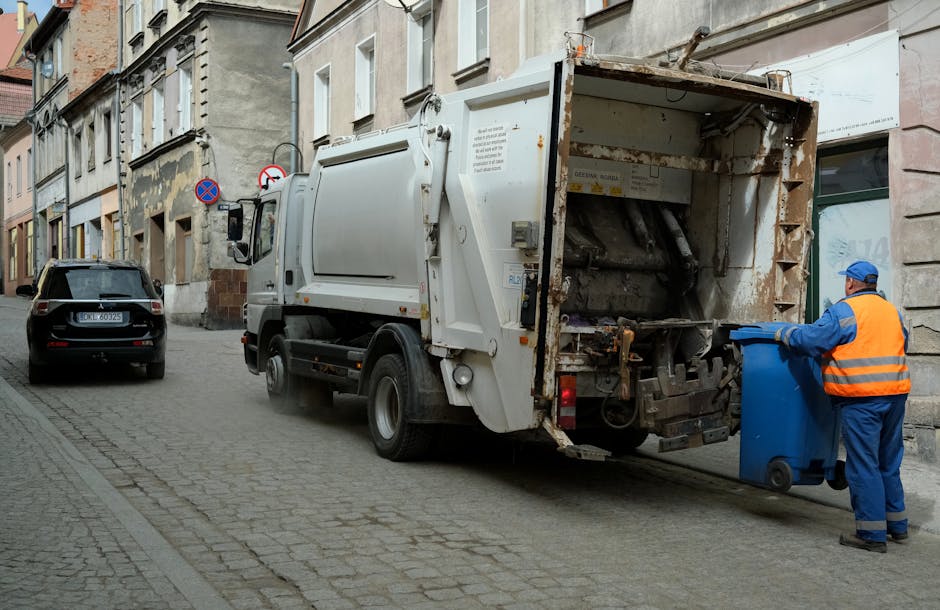
Common rubbish removal myths that could cost you fines
Rubbish removal sounds simple enough. Bag it, leave it, forget it. If only that were true. In reality, some of the most common rubbish removal myths that could cost you fines are the very ones people repeat without thinking, especially during a house move, a big clear-out, or that slightly chaotic Friday afternoon when the bins are full and the van is already on the drive.
The problem is not just getting rid of waste. It is getting rid of it properly. A misunderstanding about what can be left out, who is responsible, or how certain items should be handled can lead to complaints, rejected collections, or worse, penalties. This guide cuts through the noise and explains the myths that keep tripping people up, what actually matters in practice, and how to avoid costly mistakes without making the whole thing more complicated than it needs to be.
For readers looking for a broader service overview while planning a clear-out, it can also help to understand the difference between general waste removal and specialist clearance options such as house clearance or furniture disposal. The right approach is usually less about guesswork and more about being sensible, documented, and a bit methodical.
Table of Contents
- Why Common rubbish removal myths that could cost you fines Matters
- How Common rubbish removal myths that could cost you fines Works
- Key Benefits and Practical Advantages
- Who This Is For and When It Makes Sense
- Step-by-Step Guidance
- Expert Tips for Better Results
- Common Mistakes to Avoid
- Tools, Resources and Recommendations
- Law, Compliance, Standards, or Best Practice
- Options, Methods, or Comparison Table
- Case Study or Real-World Example
- Practical Checklist
- Conclusion
- Frequently Asked Questions
Why Common rubbish removal myths that could cost you fines Matters
Rubbish myths are not harmless little misunderstandings. They can create real-world problems fast. A bag left beside the wrong bin, a sofa dumped because "someone will take it," or trade waste mixed with household rubbish can all create avoidable issues. And when waste is not presented, sorted, or transferred correctly, responsibility does not magically disappear. It tends to land on the person who arranged it, or the person who left it there. Bit inconvenient, that.
In UK practice, councils, landlords, managing agents, and commercial premises all take waste presentation seriously. The exact rules vary by location and waste type, so the safest approach is to treat "I think it's fine" as a warning sign, not a conclusion. The cost of a mistake is rarely just the fine itself. There can be follow-up removal charges, dispute letters, delays in property handover, and the very awkward feeling of explaining why a skip's contents were not what they should have been.
Myths also waste time. People overfill bags, separate items unnecessarily, or hold onto bulky waste for weeks because they believe disposal is more complicated than it actually is. Others go the opposite way and assume anything can be left anywhere if it looks neat. Neither is a great strategy. To be fair, most people are not being careless on purpose. They are simply working from bad advice they heard years ago and never questioned.
Practical takeaway: if a rubbish decision depends on a vague "it should be okay," pause and check. Waste rules are one of those areas where assumptions are expensive.
How Common rubbish removal myths that could cost you fines Works
At a basic level, rubbish removal works by matching the type of waste to the correct route of disposal. That sounds obvious, but it is where most myths fall apart. Household waste, bulky furniture, garden waste, builders' rubble, office rubbish, and mixed recyclable materials do not always follow the same process. Some require sorting. Some need separate handling. Some should never be mixed together in the first place.
The process usually goes something like this: identify the waste, decide whether it is ordinary household rubbish or something special, check any property or local collection rules, then arrange the correct disposal method. If you are using a clearance service, it helps to be clear about the volume, access, and item type. That is especially true for awkward jobs like a loft clearance, garage clearance, or moving out from a flat where stairs, lifts, and shared spaces all matter.
Many problems start when people confuse convenience with compliance. For example, a neat pile of waste at the kerb may feel organised, but if it is not placed according to the actual collection rules, it can still be classed as fly-tipping or improper presentation. Likewise, a person may think broken furniture can go with general rubbish, when in fact it might be better handled through dedicated furniture clearance or planned reuse and disposal methods.
There is also a people side to it. Tenants, homeowners, landlords, businesses, and contractors all have different responsibilities. If a builder leaves waste behind, the project owner may still be asked questions. If a business mixes office paper, packaging, and confidential material with standard rubbish, a different kind of review may follow. The rules are not identical, and that is exactly why the myths are risky.
Key Benefits and Practical Advantages
Getting the facts right is not only about avoiding penalties. It makes the whole process calmer, cheaper, and less chaotic. Once you understand what belongs where, you can plan a clearance properly instead of improvising at the last minute. That tends to save a surprising amount of time.
- Lower risk of fines or complaints by avoiding illegal dumping, poor presentation, and wrong waste handling.
- Cleaner collections because mixed loads are planned rather than guessed.
- Faster property turnover for landlords, agents, and anyone preparing a space for sale or let.
- Better recycling outcomes when recyclable materials are kept separate where practical.
- Less stress on collection day because you already know what can be removed and what needs special handling.
- More predictable costs since you are less likely to face extra charges for sorting or re-handling.
A quieter benefit is confidence. You stop hovering near the bin store wondering if a bag is going to become a problem by lunchtime. That small bit of certainty is worth a lot, especially during a home move or office tidy-up when every other task is already making noise.
Who This Is For and When It Makes Sense
This topic matters to more people than you might expect. Homeowners clearing out years of clutter, tenants leaving a flat, landlords between occupants, office managers dealing with redundant desks, tradespeople with construction offcuts, and families emptying a garage all run into the same basic challenge: what is the proper way to get rid of this stuff?
If you are dealing with bulky or awkward items, a targeted clearance service can be far more practical than trying to squeeze everything into standard bins. For example, after a move, a mixed load of old chairs, a broken wardrobe, and bagged household waste might be better handled through a planned service than left to chance. The same is true for business premises, where organised disposal can support a tidier handover and fewer interruptions. In those situations, business waste removal or office clearance can be a sensible fit.
It also makes sense if you are:
- preparing a property for sale or rent
- clearing a loft, garage, shed, or spare room
- disposing of old furniture after replacement
- managing waste after building or refurbishment work
- trying to avoid fly-tipping risks around a busy site
- needing a quicker, more structured way to deal with mixed waste
Truth be told, this is one of those topics where acting early is easier than fixing problems after the fact. Once the bins are overflowing, the skip is full, or the landlord is asking questions, the conversation becomes much less pleasant.
Step-by-Step Guidance
Here is a straightforward way to handle rubbish removal without falling for the usual myths.
- Identify the waste properly. Separate household rubbish, bulky items, garden waste, construction debris, electrical items, and anything hazardous or unusual. Do not lump it all together just because it fits in one pile.
- Check who is responsible. If you live in rented accommodation, work on a commercial site, or share waste areas with others, responsibility may not sit where you first think it does.
- Look at the actual disposal route. Standard collections, bulky waste collections, skip use, and full clearance services all serve different purposes. A job that seems simple may need a different method.
- Measure the volume honestly. People often understate how much rubbish they have. One van load on paper can become three once you start moving mattress springs, broken shelving, and that mysterious box of cables nobody wants to open.
- Separate reusable items where possible. If furniture can be reused, resold, or diverted, that may be better than sending it all in a mixed load. It also keeps disposal cleaner and more efficient.
- Keep access and safety in mind. Stairs, narrow hallways, communal entrances, and parking restrictions all affect how waste should be removed.
- Get clarity before collection day. If you are unsure whether a specific item is acceptable, ask before it becomes a problem. A five-minute check now saves a lot of back-and-forth later.
If the job is a full property clear-out, it can also help to think in zones: loft first, then bedrooms, then storage areas, then bulky furniture. That sequence is more manageable than running around with bags at random. Not glamorous, but it works.
Expert Tips for Better Results
Experienced clearance work tends to succeed because of preparation, not luck. A few small habits make a big difference.
- Photograph the load before booking. This helps with accurate planning and avoids awkward surprises on the day.
- Label anything unusual. "Fragile," "electrical," or "reusable" can help sort items quickly.
- Keep hazardous waste separate. Do not hide sharp, chemical, or heavy items inside general bags.
- Leave a clear access path. Even a tidy hallway makes a job safer and faster.
- Do not assume council collection rules are identical everywhere. They are not. Sometimes not even close.
- Check disposal options for bulky household items. In many cases, a flat clearance, home clearance, or specialist furniture service is more efficient than piecemeal disposal.
One simple professional habit is to ask: "If someone inspected this load, would they understand what it is and why it is here?" If the answer is no, it probably needs more sorting. That question alone catches a lot of avoidable errors.
Common Mistakes to Avoid
This is where the myths start causing trouble. A few mistakes show up again and again.
- Leaving rubbish out because it is 'only for one night'. That is one of the easiest ways to create a complaint or trigger enforcement.
- Mixing different waste types. Builders' rubble, green waste, furniture, and general rubbish are not interchangeable.
- Assuming someone else will move it. If it sits on shared property, the responsibility may still come back to you.
- Overstuffing bins or bags. If the container cannot be safely lifted or closed, it may be rejected.
- Dumping items near a property boundary. Neat piles can still be treated as improper disposal.
- Forgetting access restrictions. A job that looks easy from the street may be awkward once stairs, lifts, or parking limits appear.
A particularly common mistake is leaving broken furniture beside general waste and hoping for the best. Sometimes it works. Often it does not. If the item is bulky or in poor condition, it is usually better to plan its removal properly rather than gamble on a collection that might not accept it.
Another one? Treating all "rubbish" as the same thing. A cardboard box, a dead printer, a bag of garden clippings, and a cracked wardrobe may all be waste, but they do not belong in the same handling bucket. That distinction matters more than people realise.
Tools, Resources and Recommendations
You do not need fancy equipment, just a bit of organisation. A few practical tools make the process much smoother.
- Gloves and sturdy footwear for handling sharp edges, dusty items, or awkward loads.
- Marker pens and labels to identify items for reuse, disposal, or recycling.
- Phone camera to document the load before and after.
- Boxes or bags with a clear purpose instead of a giant mixed pile.
- Measuring tape for awkward furniture, loft items, or narrow access routes.
On the service side, it can help to review clear information about how a provider handles safety and payment. For example, if you are booking a larger job, pages such as insurance and safety, payment and security, and recycling and sustainability can give a better sense of what to expect before you commit.
And if you are still comparing options, the page on pricing and quotes is useful for understanding how clearer information usually leads to a cleaner quote. Not always, but often enough to matter.
Law, Compliance, Standards, or Best Practice
This topic sits close to compliance because waste is not just "stuff you no longer want." It is a responsibility. In the UK, the details depend on the waste type, who produced it, who moved it, and where it ended up. That means you should be cautious about any blanket advice that sounds too easy. It usually is.
Best practice is straightforward: sort waste honestly, use the correct disposal route, keep records where relevant, and avoid leaving material in a place where it could be treated as fly-tipping or nuisance waste. For businesses, this is even more important because commercial waste is generally expected to be handled with additional care and documentation. A casual approach can become an expensive one before long.
If you are arranging a larger clearance, especially from a business premises or a property with mixed waste streams, it is sensible to check that the provider has appropriate policies and working practices. That includes transparency around handling, safety, and complaint procedures. You can review relevant policy pages like health and safety policy, complaints procedure, and about us to get a better feel for how the service is structured.
One small but important point: if you are unsure about a specific item or waste stream, treat uncertainty as a reason to ask, not to guess. Guessing is where fines often begin. No drama, just reality.
Options, Methods, or Comparison Table
Different rubbish removal methods suit different situations. The table below gives a practical comparison, not a rigid rulebook.
| Method | Best for | Strengths | Limitations |
|---|---|---|---|
| Regular household bin collection | Everyday domestic waste | Convenient for routine use | Usually not suitable for bulky or mixed loads |
| Bulky waste collection | Large single items | Useful for sofas, mattresses, or old cabinets | May need booking and item checks |
| Skip hire | Renovations, garden jobs, mixed heavy waste | Good for ongoing projects | Space, permits, and loading rules can apply |
| Full clearance service | House moves, office clear-outs, garages, lofts | Fast, organised, less lifting for you | Needs clear instructions and accurate descriptions |
For many people, a full clearance service is the easiest way to reduce risk because the waste is removed in one organised visit rather than through guesswork over several weeks. That is especially true for properties with lots of mixed items, or where access is awkward and time matters.
Case Study or Real-World Example
Imagine a small family clearing a house before sale. There is a cracked wardrobe upstairs, some garden waste at the back, a few bags of general rubbish in the kitchen, and a garage full of old boxes. The initial instinct is to leave everything in separate piles and "see what the council takes."
That sounds sensible until the bags start splitting, the wardrobe blocks the stairs, and the garage pile turns out to include a broken filing cabinet and a couple of old chairs. Suddenly the job is no longer simple. Time is ticking, the estate agent wants photos, and the place still looks half-lived in.
What worked better in practice was a quick sort into categories: furniture, garden waste, general rubbish, and anything that might need special attention. The furniture was booked for a dedicated furniture clearance, the mixed household waste was handled through a broader clearance, and the rest was cleared in an orderly sequence. No heroic effort. Just planning.
The point is not that every job needs a grand strategy. It is that a few minutes of sorting can save hours of stress. And honestly, that is usually where the fines are avoided too. Not with magic. With order.
Practical Checklist
Use this checklist before you leave rubbish out or arrange disposal.
- Have I identified the waste type correctly?
- Do I know who is responsible for the waste?
- Is anything hazardous, sharp, or unusual?
- Have I separated furniture, garden waste, and general rubbish?
- Is there enough access for safe removal?
- Do I understand the collection or clearance rules?
- Have I checked whether bulky items need special handling?
- Is the load described honestly and clearly?
- Have I kept records or photos if the situation might need them?
- Am I confident this will not be treated as improper dumping or nuisance waste?
If you can tick most of those off, you are already ahead of the average rushed clear-out. And yes, that includes the person who thinks a tidy pile makes everything legal. It doesn't, unfortunately.
Conclusion
The biggest lesson from common rubbish removal myths that could cost you fines is simple: waste rules are rarely as casual as people assume. Whether you are clearing a home, a flat, a garage, an office, or a building site, the safe path is to identify the waste properly, choose the right disposal route, and avoid relying on second-hand advice.
That does not mean every job has to be complicated. It just means the cheap shortcut is not always the cheap shortcut once the risk of rejection, complaint, or penalty is factored in. A little planning usually saves money, time, and a good deal of annoyance. The air feels lighter once the clutter is gone, and the job is done properly. That part never gets old.
If you want a clearer route through your next clearance, take a calm look at the options, compare the service details, and choose the method that fits the waste in front of you, not the myth you heard from someone at the pub years ago.
Get a free quote today and see how much you can save.
Frequently Asked Questions
What is the biggest rubbish removal myth people believe?
One of the biggest myths is that if waste looks tidy or is left out for a short time, it is automatically acceptable. In practice, placement, waste type, and responsibility all matter. A neat pile can still cause issues.
Can I leave rubbish next to a communal bin if the bin is full?
Usually, no. Leaving waste beside a full bin can still be treated as improper disposal or a nuisance. If the bin is full, it is better to wait, report the issue, or arrange a proper clearance route.
Does all household rubbish go the same way?
No. General household rubbish, bulky furniture, garden waste, and electrical items often need different handling. Mixing them up is one of the easiest ways to create a compliance problem.
Are fines only a problem for businesses?
Not at all. Homeowners, tenants, landlords, and businesses can all face problems if waste is left incorrectly or dumped improperly. Responsibility depends on the situation, not just the property type.
What should I do with old furniture before disposal?
Check whether it can be reused, donated, or taken through a dedicated furniture route. If it is bulky, damaged, or difficult to move, a planned clearance service is usually safer than leaving it by the road and hoping for the best.
Is it okay to mix garden waste with general rubbish?
Only if the disposal route explicitly allows it, which is not something to assume. Garden waste and general rubbish are often better kept separate because they may be handled differently.
Do I need to worry about loft or garage clearances?
Yes, because these spaces often contain mixed waste, old furniture, dusty materials, and awkward access. A rushed clear-out can easily lead to damaged items, blocked exits, or waste being sorted badly.
How do I know if my waste is commercial waste?
If it comes from a business, office, or work-related activity, it may be commercial waste even if it looks similar to household rubbish. That distinction matters because the handling rules can differ.
What records should I keep when arranging rubbish removal?
It is sensible to keep quotes, descriptions of the waste, photos of the load, and any notes about collection or disposal arrangements. If a question comes up later, that paperwork can be very useful.
Is a clearance service better than skip hire?
It depends on the job. Skip hire can suit ongoing building or garden work, while a clearance service is often better for mixed household waste, furniture, or tight-access properties. The right choice is the one that fits the waste and the space.
Can I get into trouble for someone else's rubbish?
Potentially, yes, especially if waste is left on or near your property and responsibility is unclear. That is why documentation, clarity, and fast action matter when rubbish appears where it should not be.
What is the safest next step if I am unsure?
Stop and check before moving the waste. If the item type, access, or disposal route is unclear, ask for guidance and avoid guessing. In rubbish removal, a careful pause usually beats a costly mistake.