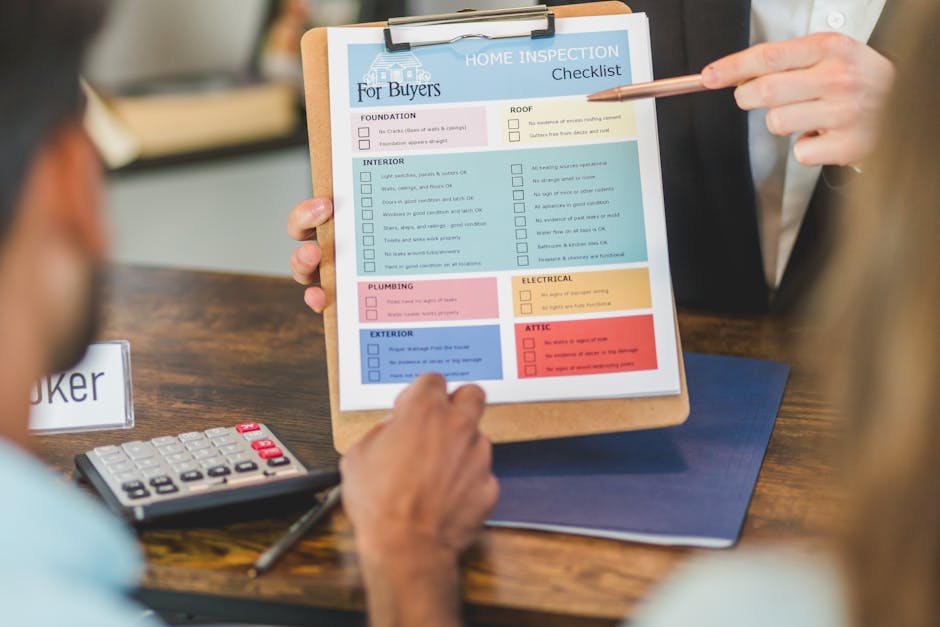
Checklist for preparing a property for rapid clearance teams
If you need a property cleared quickly, the biggest mistake is assuming the team can simply turn up and start shifting everything in sight. In reality, a smooth job usually begins before the van arrives. A well-prepared property saves time, reduces risk, protects anything you want kept, and makes the whole process feel far less chaotic. That is the heart of a good Checklist for preparing a property for rapid clearance teams: not just getting rid of clutter, but making the property ready so the clearance can happen safely and efficiently.
Whether you are clearing a flat after a move, an office before lease handback, a rental between tenants, or a family property that has built up years of belongings, preparation matters. It matters a lot, actually. A few small steps taken the day before can make a same-day clearance far smoother. And if you have ever stood in a hallway full of boxes wondering where to begin, you already know why.
This guide walks through the practical steps, the common pitfalls, the compliance considerations, and the checklist items that help rapid clearance teams work at pace without creating avoidable problems. You will also find a comparison table, a real-world example, and a detailed checklist you can use straight away.
Table of Contents
- Why Checklist for preparing a property for rapid clearance teams Matters
- How Checklist for preparing a property for rapid clearance teams Works
- Key Benefits and Practical Advantages
- Who This Is For and When It Makes Sense
- Step-by-Step Guidance
- Expert Tips for Better Results
- Common Mistakes to Avoid
- Tools, Resources and Recommendations
- Law, Compliance, Standards, or Best Practice
- Options, Methods, or Comparison Table
- Case Study or Real-World Example
- Practical Checklist
- Conclusion
- Frequently Asked Questions
Why Checklist for preparing a property for rapid clearance teams Matters
Rapid clearance teams work best when they can move safely, identify what stays and what goes, and load items without repeated back-and-forth. If the property is not ready, the job can slow down very quickly. A blocked hallway, unlabeled items, missing keys, or unclear instructions can create delays that feel small in the moment but add up fast.
There is also a practical side that people sometimes overlook. When a property is prepared properly, the team can protect floors, avoid accidental damage, and separate reusable items from waste more cleanly. That can matter for households, landlords, executors, and businesses alike. In our experience, a few minutes of planning often saves a surprisingly long stretch of stress later on.
If your clearance is time-sensitive, preparation is not a nice-to-have. It is part of the job. It can be the difference between a rushed, messy visit and a calm, well-organised one.
For readers arranging wider property services, it may also help to look at related pages such as home clearance, house clearance, or even office clearance if the property is commercial rather than residential.
How Checklist for preparing a property for rapid clearance teams Works
The checklist works by breaking the property into manageable parts before the team arrives. That means decisions are made in advance wherever possible, rather than in the middle of the clearance when the pressure is on. It is a simple idea, but it changes the tone of the whole day.
Typically, preparation involves five stages:
- Sort access and instructions. Make sure the team knows how to enter, where to park, and what needs prioritising.
- Separate keep, clear, and unsure items. Keep anything important away from clearance piles. No one wants a last-minute "wait, that was meant to stay" moment.
- Remove hazards and fragile valuables. This includes loose sharps, broken glass, liquids, medication, and delicate items.
- Open routes and working space. Hallways, stairways, loft hatches, garages, or side entrances should be as clear as possible.
- Confirm expectations. Agree what is being removed, what is left behind, and whether recycling or specialist handling is required.
That sounds straightforward, and mostly it is. The detail matters though. For example, a rapid clearance team may be able to deal with a packed flat in a single visit, but if the lift access is uncertain or the keys are missing, the best plan in the world suddenly gets messy. Truth be told, most delays are not dramatic. They are just little bits of friction piling up.
Key Benefits and Practical Advantages
Preparing properly gives you more than just a tidier property. It changes the quality of the clearance and often the final cost too, depending on the provider's pricing structure. While every job is different, the advantages are consistent.
- Faster turnaround: Clear access and clear instructions mean less time spent on site.
- Lower risk of damage: Fragile items are less likely to be knocked, bent, or broken during removal.
- Better waste separation: Recyclables, reusable furniture, and general waste can be sorted more cleanly.
- Less emotional strain: This matters more than people admit, especially in bereavement or downsizing situations.
- Fewer misunderstandings: A label on a bag is better than a vague memory on a busy morning.
- Improved efficiency for larger sites: Offices, garages, lofts, and mixed-use properties benefit from a clearer workflow.
There is a softer benefit too: preparation gives you a sense of control. If the property has become overwhelming, even small wins help. One cleared room, one labelled box, one path through the hall - that can be enough to get the day moving.
If you are also comparing service options or trying to understand how pricing is built, the company's pricing and quotes page is a useful place to start.
Who This Is For and When It Makes Sense
This checklist is useful for a wide range of people, not just homeowners. Rapid clearance requests crop up in all sorts of real-life situations, and each one has its own pressure points.
- Homeowners: after a move, a renovation, or a major declutter.
- Landlords and letting agents: between tenancies, after notice, or when a property needs resetting quickly.
- Executors and family members: when handling a property after bereavement and time is limited.
- Businesses: office changes, end-of-lease clearances, or closing down storage areas.
- Property managers: when vacant spaces need to be returned to a usable state without delay.
- Trades and renovators: when builders' waste, old fixtures, or bulky items are in the way of the next phase.
It makes sense whenever speed, access, and clarity matter. If the job involves awkward items, tight stairwells, or a deadline that is not negotiable, preparation becomes even more valuable. And let's face it, many properties are not designed with easy clearance in mind. Narrow terraces, top-floor flats, cluttered lofts, tight office corridors - they all benefit from a proper plan.
If the property includes specialist spaces, you might also find the related guides on flat clearance, garage clearance, or loft clearance helpful, depending on the layout.
Step-by-Step Guidance
Here is a practical process you can follow before a rapid clearance visit. It is intentionally simple. No grand theory, no fluff.
1. Walk through the property room by room
Start with a calm walk-through. Look at each room and note what stays, what goes, and what might need specialist handling. Do not try to decide everything in one frantic burst if you can avoid it. A notebook, phone notes, or even sticky labels can help.
2. Identify priority items
Set aside items you absolutely want to keep. This includes documents, keys, photos, personal letters, jewellery, medication, passports, account paperwork, and anything with sentimental value. Put these in a separate room if possible. If not, place them in sealed boxes and mark them clearly.
3. Clear access routes
Make sure the team can move through the property without repeatedly stepping over obstacles. Hallways, stairs, landings, loft ladders, and garage entrances should be free of loose clutter. A clear path saves time and reduces the risk of trips or collisions.
4. Group items by type if you can
Even a rough grouping helps. Put furniture together, bagged waste together, and anything recyclable in a separate area if that has been agreed. If you are clearing an office, group files, desks, chairs, screens, and general rubbish so the team can work more efficiently.
5. Flag anything hazardous or awkward
Tell the clearance team in advance if there are broken items, liquids, old paint, batteries, needles, heavy safes, unstable shelving, mould, damp, or pest issues. Some materials need extra care, and it is much better to flag them early than have someone discover them in the middle of the job.
6. Check parking and loading access
Where will the vehicle stop? Is there permit parking, a loading bay, or a narrow access road? In London especially, parking or access can be the difference between a smooth visit and a lot of standing about. If there is any doubt, ask the team what they need.
7. Secure pets and make the property safe for movement
Dogs, cats, and even very friendly pets can make clearance work awkward. The same goes for young children. Keep them away from the main work area. It sounds obvious, but on a busy day obvious things are the first to go missing from the plan.
8. Photograph anything sensitive before removal
If you are clearing a property for legal, insurance, rental, or family reasons, a few photos can help provide a record of the condition before the work begins. That is a sensible safeguard, not a sign of distrust.
9. Confirm the scope one more time
Before the team starts, go through the final scope. What is included? What is not? Are any items being retained? Are there rooms that must not be touched? A five-minute check can avoid a very long afternoon.
10. Make payment and contact details ready
If payment is required on completion, having the right details ready can keep the visit moving. If you want to understand secure booking or payment expectations in advance, the payment and security page is worth reviewing.
Expert Tips for Better Results
A few practical habits make a noticeable difference. They are not complicated, just the kind of things experienced teams appreciate because they remove friction.
- Label with plain language. "Keep", "clear", and "unsure" is usually better than a dozen tiny notes no one can decipher.
- Use one decision point per area. Avoid leaving decisions scattered across the property. It slows everything down.
- Tell the team about awkward access early. A basement, roof space, or second-floor walk-up is not a surprise to be revealed at the door.
- Keep an item list for valuables. Especially useful in probate or shared-property situations.
- Think about reuse first. Some furniture may be suitable for donation, reuse, or furniture collection rather than disposal.
- Do a quick last sweep of drawers and cupboards. People forget things in the most ordinary places. That little notebook drawer? Very often the culprit.
If the clearance includes bulky household items, the separate page on furniture clearance may help you understand what can be taken and how mixed loads are usually handled.
One small tip from real-world jobs: leave a kettle, water, or a simple point of contact if you are on site. Clearance teams are there to work, not to make a fuss, but a tiny bit of practical courtesy goes a long way. Human beings, oddly enough, still respond to tea and clear directions.
Common Mistakes to Avoid
Some mistakes are so common they almost deserve their own warning sign.
- Leaving key decisions until the crew arrives. That is how delays begin.
- Mixing valuables with general clutter. It creates unnecessary risk.
- Assuming every item can be removed the same way. Heavy, hazardous, or specialist items often need different handling.
- Blocking routes with "just one more pile". There is always one more pile. Always.
- Not checking parking or access restrictions. A perfect plan can still fail at the kerb.
- Forgetting about documents and sensitive information. Especially in offices and rentals.
- Overpacking bags or boxes. Bags split, boxes collapse, and then the job gets slower and messier.
Another common problem is overestimating how much time you have. A morning clearance can feel generously flexible right up until the first van door opens. If the property is highly cluttered, treat the preparation as part of the service, not an optional extra.
Tools, Resources and Recommendations
You do not need a fancy kit to prepare a property properly. A few simple tools will usually do the job.
- Strong bin bags or rubble sacks
- Permanent marker pens for labels
- Sticky notes or removal labels
- Boxes for documents and valuables
- Gloves for sorting dusty lofts or garages
- Tape for sealing boxes
- Basic torch or head torch for dark cupboards and loft spaces
- Phone camera for quick records and reference photos
For business premises, it can help to have a simple room-by-room list, especially if the clearance covers desks, storage units, archive material, or mixed waste. If your site includes commercial items, the page on business waste removal may be a useful reference.
If the clearance is connected to renovation work, builders' debris, or stripped-out fixtures, take a look at builders waste clearance too. The handling requirements are often a little different from normal household clutter.
And for anyone who wants to understand how recyclable material is handled more responsibly, the company's recycling and sustainability page offers a helpful overview.
Law, Compliance, Standards, or Best Practice
Clearance work can touch on safety, waste handling, privacy, and in some cases environmental responsibility. The exact obligations depend on the property type and the materials involved, so this section stays deliberately careful.
At a practical level, it is sensible to follow recognised UK best practice around safe access, waste segregation, and responsible disposal. If the clearance involves confidential paperwork, a business should think carefully about secure handling. If it involves sharp objects, mould, damp, heavy items, or awkward lifting, safety planning matters too.
For reassurance on how a provider approaches this side of the work, it is worth reading pages such as health and safety policy and insurance and safety. Those pages are useful because they show what a professional operator considers before, during, and after a job.
If you are dealing with a rental, probate, or sensitive personal situation, it is also sensible to keep a basic record of what was cleared and what was retained. That is not overkill. It is just good housekeeping, and in some situations it can save a lot of awkward questions later.
Options, Methods, or Comparison Table
There is more than one way to prepare a property for rapid clearance. The best method depends on time, property size, and how much sorting needs to happen beforehand. Here is a simple comparison that can help you decide.
| Preparation method | Best for | Advantages | Limitations |
|---|---|---|---|
| Minimal prep | Very urgent jobs with little time | Quick to organise, useful when access is the main issue | More sorting during the visit, which can slow things down |
| Room-by-room prep | Homes, flats, and mixed-use properties | Clear structure, easy to label keep/clear items | Takes a bit more time beforehand |
| Category-based prep | Offices, storage areas, and larger clearances | Helpful for furniture, papers, archives, and mixed waste | Needs disciplined labelling to work properly |
| Priority-first prep | Bereavement, probate, and emotional clearances | Protects key belongings and reduces decision pressure | Can leave less urgent clutter for later sorting |
If you are dealing with a compact property, a guide like flat clearance often aligns well with room-by-room preparation. For larger homes or multi-level properties, house clearance can be the better reference point. Different spaces, different rhythm.
Case Study or Real-World Example
Imagine a two-bedroom flat in South London that needs to be cleared before a tenancy changeover. The occupant has already moved out, but the property still contains a mixture of furniture, kitchen items, old paperwork, and a few bulky bags in the hallway. The estate agent wants the space ready fast. Not ideal, but workable.
The preparation starts the day before. The remaining personal items are gathered into one locked room. Anything fragile is boxed separately. The hallway is cleared so the team can move safely from the front door to the living room and bedrooms. Parking is checked in advance, and the client confirms that one wardrobe and a desk are to be left behind because they are being reused.
On the day, the clearance team arrives, gets straight to work, and does not have to stop repeatedly to ask what should happen with each item. The job moves in a steady rhythm. You can hear the sound of careful shifting, tape tearing, footsteps on the stairs. Nothing dramatic. Just a smooth, organised clearance instead of a stressful one.
That is the real value of preparation. It does not need to be perfect. It just needs to be good enough to remove friction.
Practical Checklist
Use this as a final walk-through before the clearance team arrives.
- Confirm the arrival time and contact details.
- Check how the team will access the property.
- Reserve or check parking/loading arrangements.
- Identify all items that must stay.
- Put valuables, documents, and sentimental items aside.
- Label boxes or rooms clearly where possible.
- Clear hallways, stairs, and main access routes.
- Separate anything fragile or easily damaged.
- Flag hazardous items, chemicals, or sharps.
- Point out any areas that must not be entered.
- Confirm if any furniture is to be reused, donated, or disposed of separately.
- Make sure pets and children are kept away from the work area.
- Have keys, codes, or fobs ready.
- Take photos if you need a record before clearance.
- Review any payment or booking details in advance.
Expert summary: The best clearance jobs are rarely the ones that start fast. They are the ones that start clearly. A few labels, a clear route, and a simple "keep or clear" decision can save hours once the team is on site.
Conclusion
Preparing a property for rapid clearance teams is mostly about reducing uncertainty. Once the access is clear, the instructions are clear, and the important things are protected, the whole job becomes more manageable. That is true whether you are clearing a home, a flat, an office, a garage, or a larger mixed property.
The best checklist is not a rigid rulebook. It is a practical habit: walk through the space, separate what matters, make access easy, and confirm the scope before the work starts. Simple, but effective. And on a busy clearance day, effective is what counts.
If you are planning a clearance and want a professional approach from the outset, take a moment to review the service details, then make your shortlist with confidence. A calm start usually leads to a better finish, and honestly, that can make all the difference.
Get a free quote today and see how much you can save.
Frequently Asked Questions
What should I do before a rapid clearance team arrives?
Clear access routes, separate the items you want to keep, and flag anything fragile, hazardous, or valuable. If possible, confirm parking and entry arrangements in advance so the team can get started straight away.
Do I need to sort everything before the property is cleared?
No, not always. A quick sort into keep, clear, and unsure is usually enough. The aim is to reduce confusion, not to turn your living room into a sorting warehouse the night before.
How much preparation is really necessary?
That depends on the property and the time available. Even light preparation can help a lot. If the property is cluttered or has awkward access, more preparation will usually make the visit smoother and faster.
Can a clearance team remove furniture and general waste in the same visit?
Often yes, provided the provider is set up for mixed loads and the items are safe to handle. If you have bulky furniture, it may help to review furniture disposal and discuss the load in advance.
What happens if I forget to move something important?
Tell the team immediately before it is loaded. Good communication usually solves the issue quickly. That is why it helps to keep valuables and key documents in one clearly separate place.
Should I be present during the clearance?
Not always, but it can be helpful if the property needs live decisions or if there are items that may be queried. For sensitive jobs, being available by phone is often enough.
Are there safety issues I should think about before clearance?
Yes. Loose glass, broken furniture, mould, chemicals, sharp objects, and heavy lifting all matter. If there is a known risk, mention it early. A responsible provider will want to plan around it.
How do I prepare an office for rapid clearance?
Separate confidential material, mark equipment that must stay, and make sure access routes are open. For more context, the office clearance page is a good starting point.
Is there a difference between house clearance and flat clearance preparation?
Yes, mostly in access and scale. Flats often involve stairwells, shared entrances, and parking restrictions. Houses may have lofts, garages, gardens, or more rooms to sort through. The basic checklist is similar, but the layout changes the practical details.
What if the property includes items that might be reusable or recyclable?
Tell the team before the job starts. Reuse and recycling are often easier when items are separated in advance. You can also review the company's recycling and sustainability approach if that matters to you.
How do I know if the clearance company is trustworthy?
Look for clear service information, transparent pricing, sensible safety guidance, and straightforward contact options. It also helps to review pages like about us, health and safety policy, and insurance and safety before booking.
What if I have a complaint after the clearance?
You should contact the provider promptly and explain what happened clearly. A published complaints procedure is a good sign because it shows the business has a formal process for resolving issues.
Can I ask for a quote before I finish preparing the property?
Yes, and in many cases that is the smart move. A rough description, a few photos, and the type of property are often enough for an initial estimate. If you want to make the next step easier, use the contact us page to start the conversation.
Does rapid clearance always mean same-day service?
Not necessarily. Rapid usually means the team is able to respond quickly and work efficiently, but availability depends on the schedule, the size of the job, and access conditions. It is always better to confirm the timeline directly.